


We develop the best technologies for recycling materials to find innovative solutions for the energy and ecological transition
STOKKERMILL | SELTEK SRL © 2023 | P. Iva. IT02360630301 | Privacy | Terms








Laboratory machinery for material recycling plays a fundamental role in the research and development of new industrial technologies. In specialised laboratories, it is possible to analyse material behaviour and test treatment processes on a small scale, generating reliable data for the design of industrial plants. Solutions such as those developed by StokkermilLab enable accurate and repeatable testing, improving the efficiency of recycling processes and optimising the recovery of secondary raw materials.
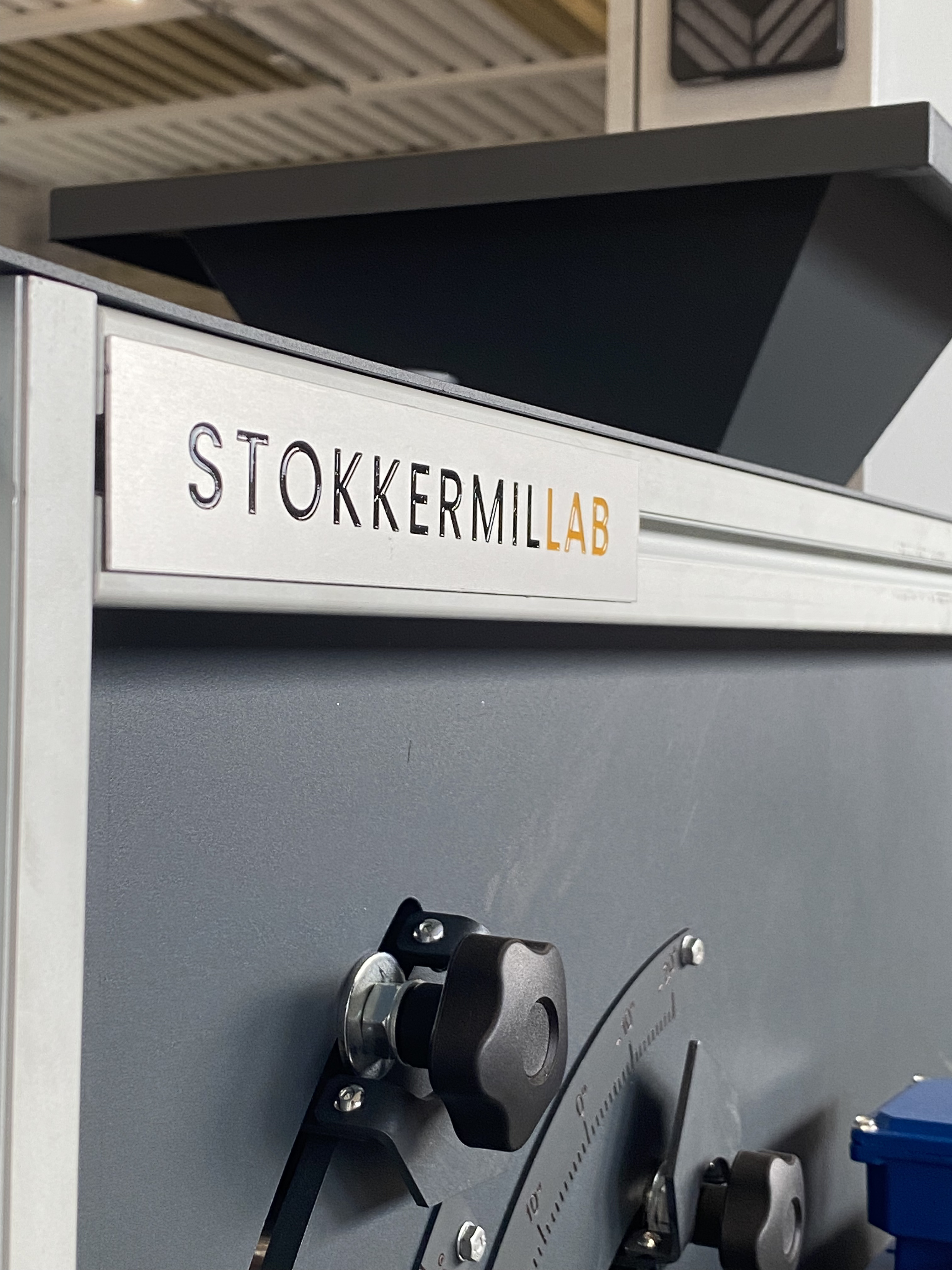
Laboratory technologies for material recycling include equipment for shredding, particle size classification and material separation. These systems allow precise testing on various types of waste streams, such as metals, plastics and composite materials. Advanced solutions like those developed by StokkermilLab make it possible to replicate complex industrial processes on a smaller scale, enhancing the accuracy of analyses and the quality of the recovered fractions.
Laboratory machinery is widely used in the study of complex waste streams such as WEEE (Waste Electrical and Electronic Equipment), photovoltaic panels, batteries and engineering plastics. Through laboratory testing, it is possible to analyse material composition and develop effective solutions for the separation of ferrous and non-ferrous metals. These technologies also allow the simulation of complete process lines, thanks to integrated and highly precise systems, reducing risks in industrial plant design.
Data obtained from laboratory machinery for material recycling is essential for the development of new treatment technologies. Companies can use these results to optimise operating parameters, increase plant efficiency and reduce environmental impact. The use of advanced solutions, such as those offered by StokkermilLab, enables a safer and more efficient scale-up from laboratory testing to full industrial processes, accelerating innovation and making recycling systems increasingly sustainable.
01/04/2026
This website uses cookies
We use cookies to improve user experience, analyse site traffic and personalise content. By clicking "Accept all" you consent to the use of all cookies. You can manage your preferences via "Cookie settings". For more information, read our Cookie Policy.
Strictly necessary cookies
Required for the website to function. No consent needed.
Analytics cookies
Google Analytics — anonymous statistics about site usage.
By continuing to browse without making a selection, you consent only to strictly necessary cookies. Read our Privacy Policy and Cookie Policy. You can update your preferences at any time from the footer of this website.