.

leader in solar panel recycling technologies

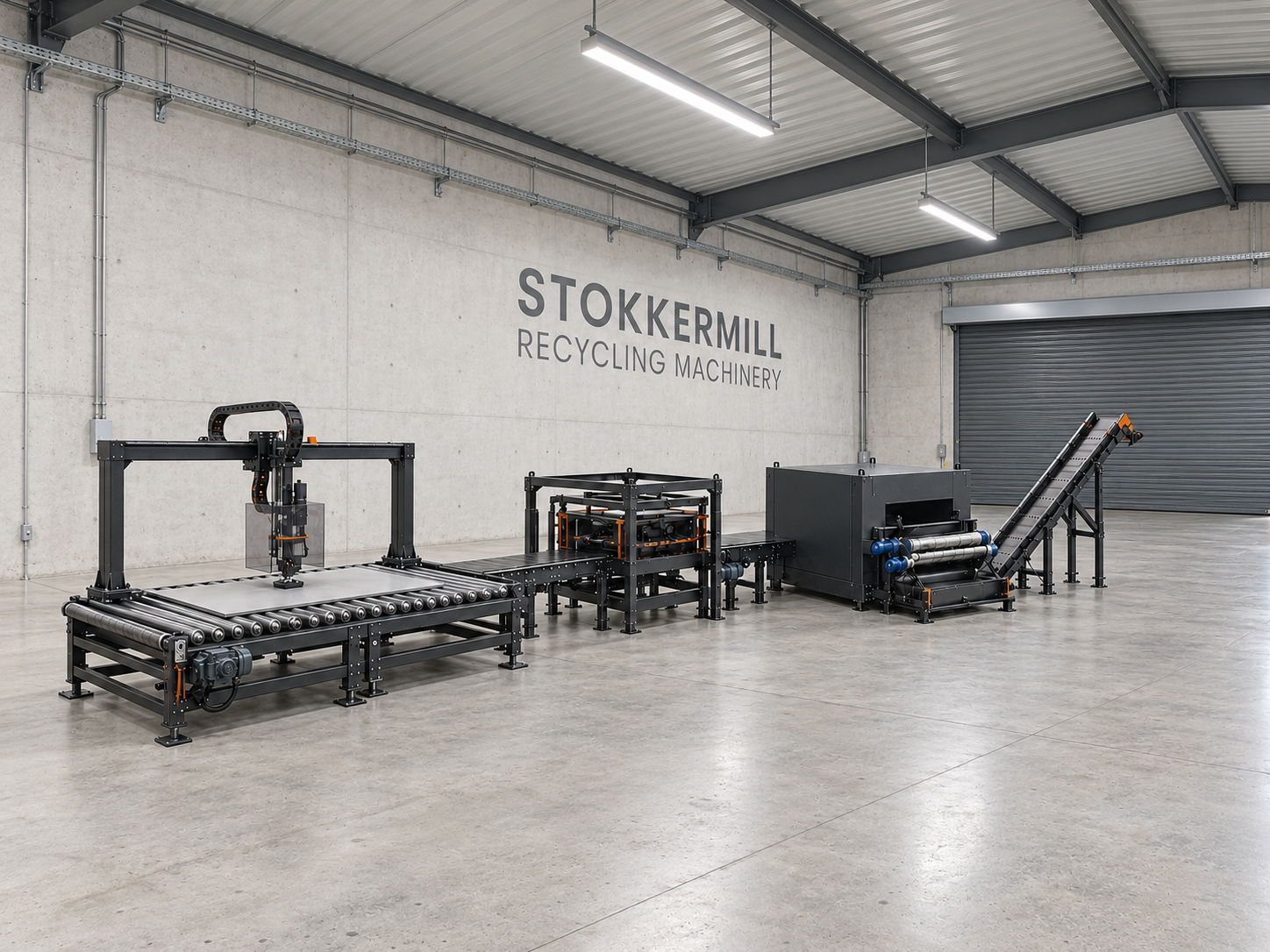
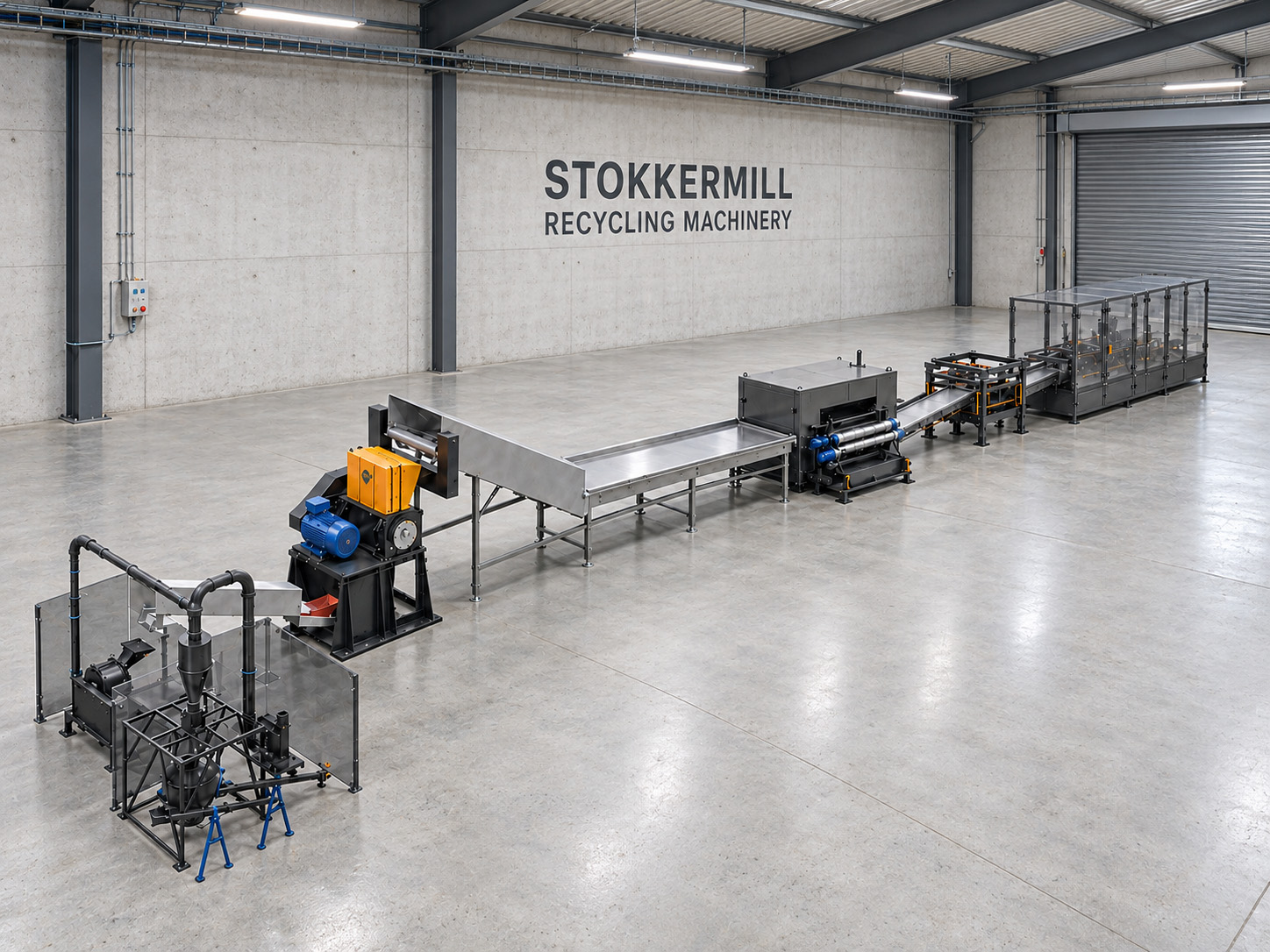
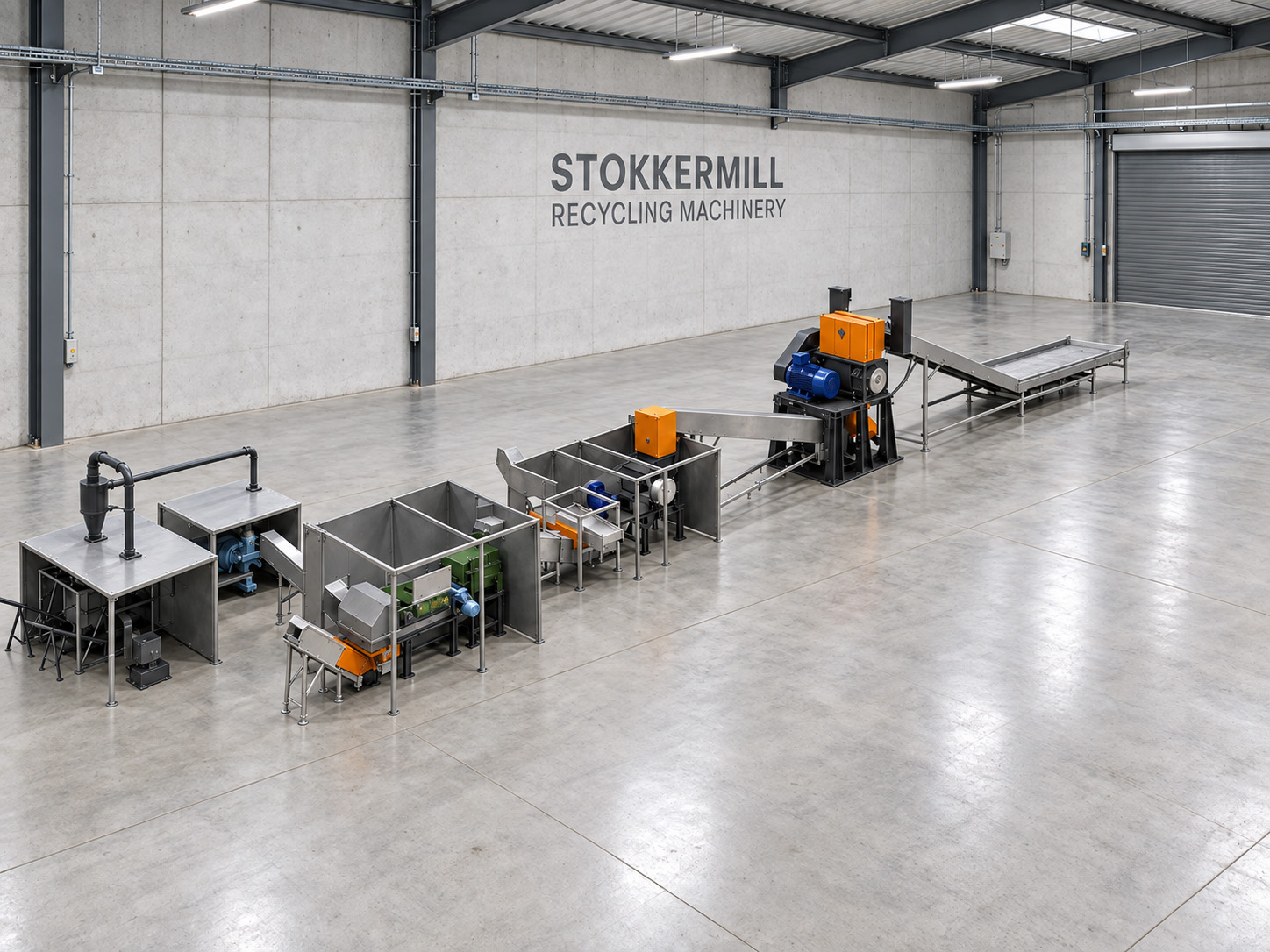
StokkermillSolar is the division of Stokkermill Recycling Machinery specialising in the design and manufacture of plants and machinery for the recycling of end-of-life photovoltaic solar panels. Stokkermill’s solutions process end-of-life modules using mechanical and thermomechanical processes designed to separate and recover glass, aluminium, copper, EVA and fine fractions containing silicon and traces of precious metals. From entry-level solutions to fully automated lines for recycling photovoltaic panels, each plant is sized according to the volumes to be processed, the condition of the input material, the required level of automation and the expected quality of the output materials. StokkermillSolar’s industrial configurations are designed to ensure 24/7 operational continuity, optimised energy consumption, minimal maintenance and reduced labour requirements. The aim is to transform end-of-life photovoltaic panels into recovered fractions that can be effectively utilised in downstream industrial processes, combining efficiency, reliability and plant flexibility.
Find out more in the FAQs on solar recycling

The Stokkermill Automatic Series
Solar3000

The recycling line for solar and photovoltaic modules allows for the recovery and reuse of materials found in discarded panels, such as silicon, glass, aluminum, plastic, and wiring. Thanks to an automated and advanced industrial process, each module is precisely dismantled, yielding reusable resources such as glass, silicon powder, aluminum, plastic, and copper. The system minimizes manual intervention and energy consumption (less than 1 kWh per module), ensuring high efficiency and reduced environmental impact. The technology allows for the treatment of polycrystalline, monocrystalline, and even non-standard sized modules, optimizing operating costs and improving the quality of recovered materials.
Efficient recovery, minimal impact.
‍
✓ Over 99% of components reused
✓ Fully automated process
✓ Low energy consumption
✓ High quality of output material

Modular technologies

Modular technologies for solar panel recycling.

Designed and built entirely in Italy by Stokkermill, they can be integrated into existing lines or supplied separately as stand-alone solutions.

Modular. Integration. Stand-alone supply.

Design, manufacturing and quality control by Stokkermill, carried out entirely in Italy. Modular configurations can be implemented in existing Stokkermill lines or supplied separately, depending on the required process.

01

De-Framer

Removes the aluminium frame from end-of-life photovoltaic modules to optimise the recycling process. Essential for the Solar Delamination configuration.

ApplicationInput preparation
Discover De-Framer
Stokkermill solar panel De-Framer
02

HMS Delaminator

A dedicated solution for the first stage of module treatment, optimising delamination of the output fractions. The system simplifies processing and improves recovered material quality.

ApplicationPrimary delamination
Discover HMS Delaminator
Stokkermill HMS Delaminator for primary delamination
03

DLS Delaminator

The DLS Delaminator (Delamination Layer System) uses low-temperature thermal treatment specifically designed to separate glass from photovoltaic cells and the EVA layer.

ApplicationLow-temperature delamination
Discover DLS Delaminator
Stokkermill DLS Delaminator for solar panel glass separation
04

Refiner XRS EVA & Silicon

The XRS Refiner mechanically separates laminated materials, releasing the silicon/glass fraction trapped in the EVA layer. Silicon is recovered as fine particles together with a fine glass fraction.

ApplicationSecondary delamination
Discover Refiner XRS
XRS Refiner for secondary delamination of EVA and silicon
05

GS Micrometric Table

The GS Micrometric Separation Table is designed to separate high-purity glass from solar panel recycling streams, effectively separating out contaminated fractions.

ApplicationGlass refining
Discover GS Table
Stokkermill GS Micrometric Separation Table
06

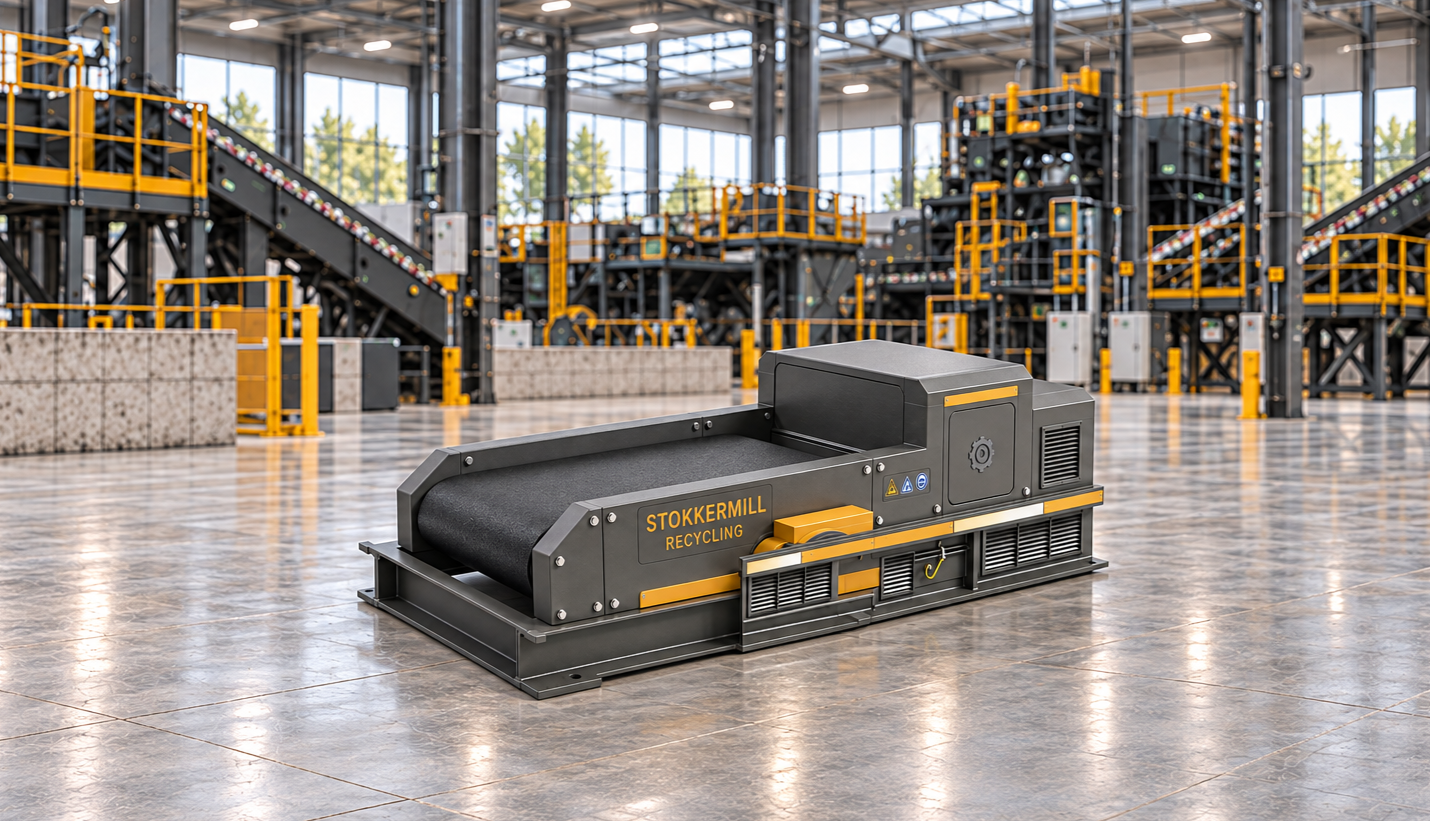
MFS Separator

Stokkermill eddy current separators efficiently recover furnace-ready aluminium proler from materials produced by solar panel recycling.

ApplicationAluminium separation
Discover MFS 500 Separator
MFS 500 separator for metal fractions
07

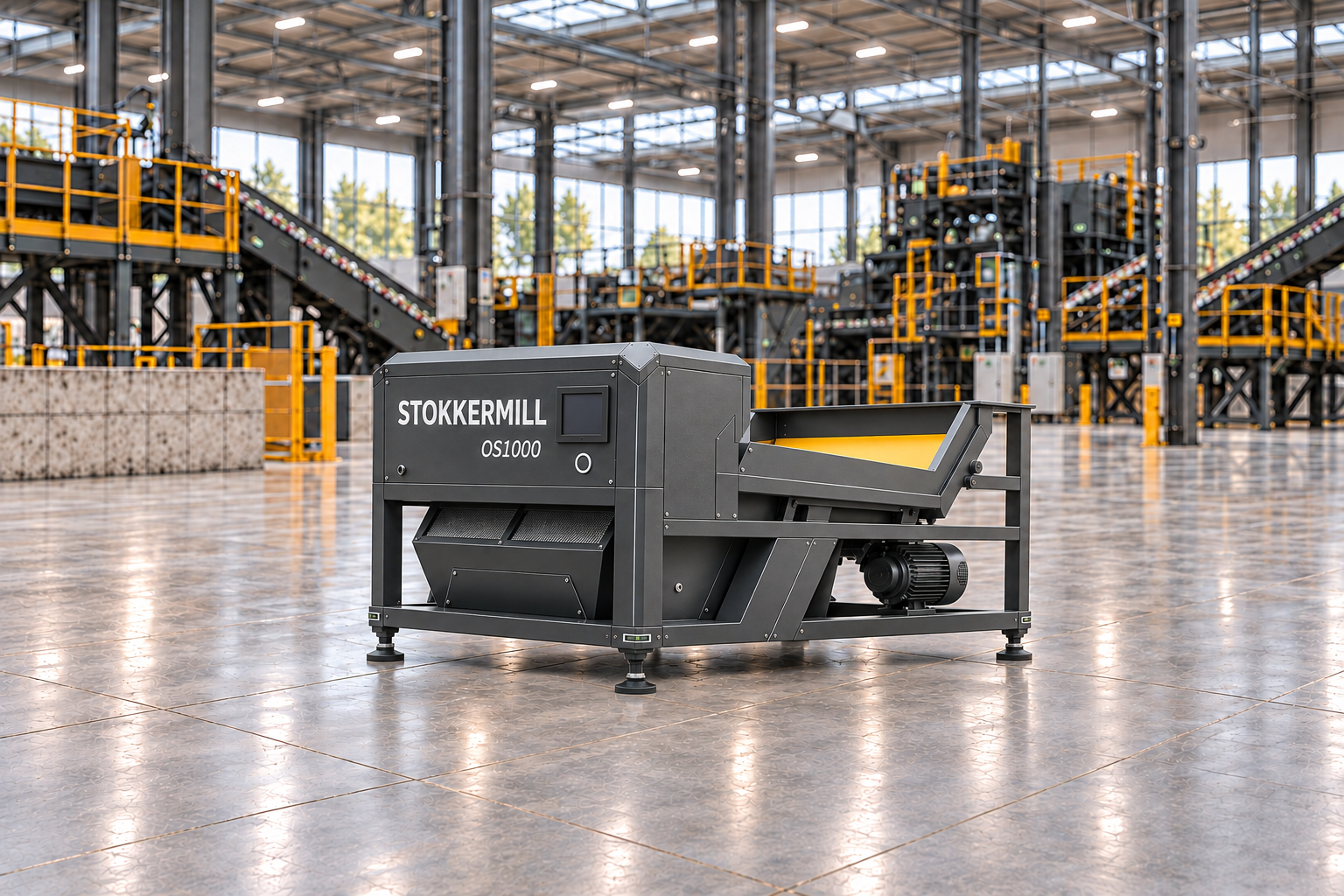
OS Optical Separator

The OS Optical Separator uses NIR+AI technology to identify and separate material fractions by composition, ensuring high purity of the fractions recovered from solar panel recycling.

ApplicationOptical separation
Discover OS Separator
Stokkermill OS1000 Optical Separator
08

X-RAY Separator

The X-RAY Separator uses X-ray transmission technology to identify and separate materials by atomic density, with a specific application in silicon recovery from photovoltaic panels.

ApplicationXRT analysis and sorting
Discover X-RAY Separator
Stokkermill X-RAY Separator for XRT silicon sorting

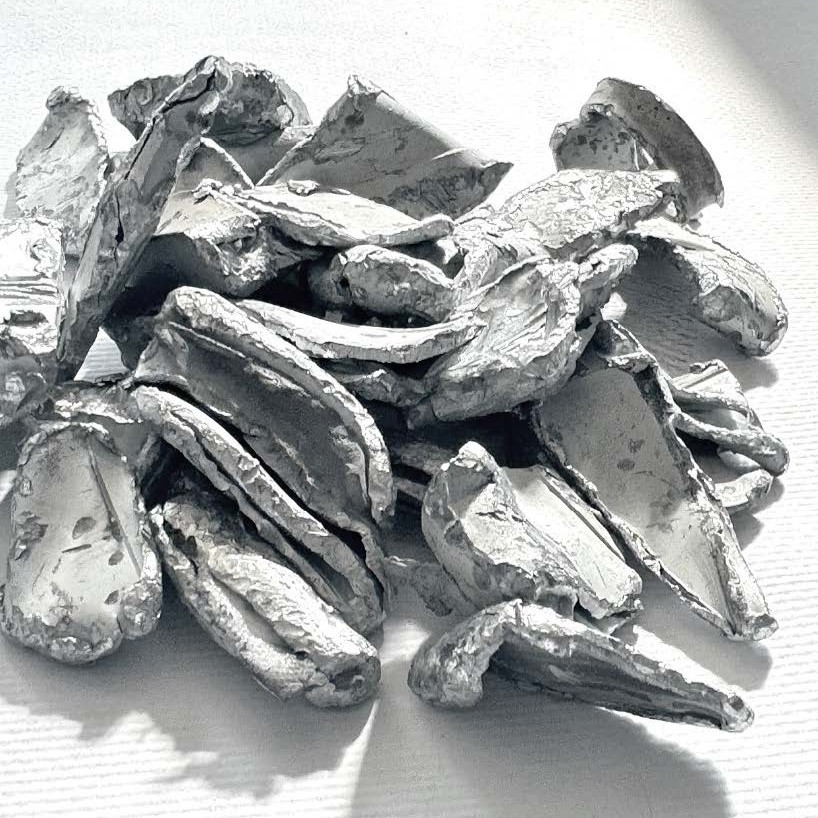
Recovered materials

Aluminum

ALUMINUM

Glass

GLASS

Silicon

SILICON

EVA

EVA

Copper

COPPER

Mulino a Martelli — Delaminazione Primaria
Primary delamination

Delaminator HMS

Solution dedicated to the first phase of module treatment, optimizing the delamination of the output fractions. The system simplifies and improves the quality of the recovered material.

Render del Delaminatore XRS
Secondary delamination

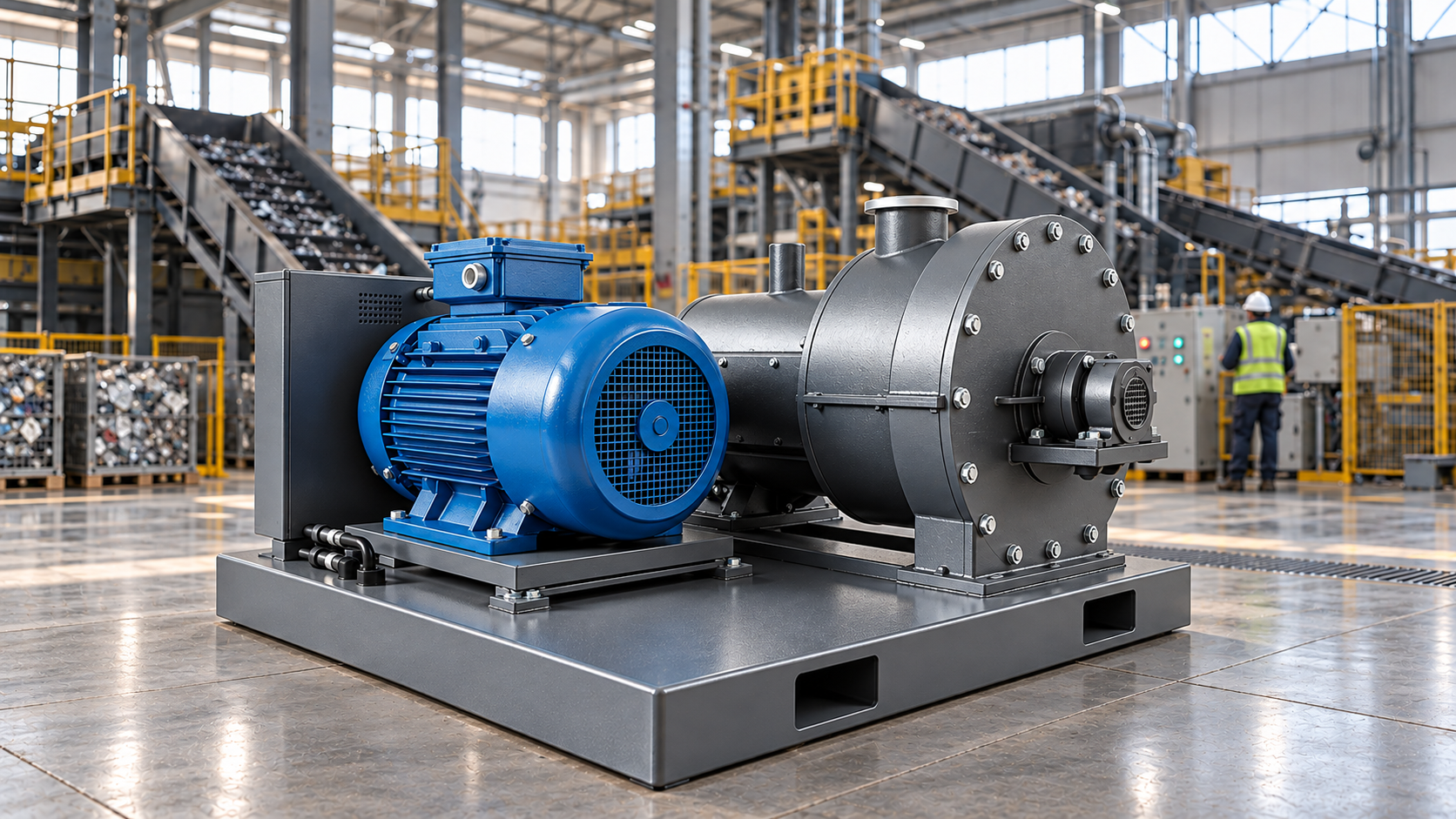
XRS Delaminator

The Stokkermill XRS secondary delaminator enables the mechanical separation of laminated materials , releasing the silicon/glass fraction trapped in the EVA layer. Thanks to a controlled crushing process, the silicon is recovered in fine form together with a fraction of thin glass. Thanks to its design and special materials, wear is limited, ensuring operational continuity and reduced machine downtime.

PRG 100 — delaminazione per pannelli scorniciati
Delamination for frameless panels

PRG 100

Solution dedicated to the mechanical separation of layers from modules that are already frameless. The system optimizes the delamination and separation of output fractions, simplifying logistics and improving the quality of the recovered material.

Tavole di separazione densimetriche Stokkermill serie VT
Glass refining

Micrometric separation table | GS

The GS Micrometric separation table is designed for the high-purity separation of glass from recycled solar panels, effectively distinguishing contaminated fractions. Compact, modular, and adjustable, it guarantees high-quality selection, reliability, and simple integration into existing systems.

Selezionatore ottico Stokkermill OS400
Glass separation

OS1000

Stokkermill horizontal optical separators allow for highly precise separation of glass fractions, with a range between 2 mm and 8 mm. They offer advanced recognition technology and a simple interface for quick and easy programming.

Separatori a correnti parassite Stokkermill
Separation

Separator for metal fraction MFS 500

The Eccentric Separator is designed for the selective recovery of non-ferrous metals from end-of-life solar panels, ensuring efficiency, operational continuity, and minimal maintenance. Thanks to its advanced technology, it ensures clean, high-quality metals, contributing to an overall material recovery rate of over 99%.

Efficient recovery, minimal impact.
‍
✓ Over 99% of components reused
✓ Fully automated process
✓ Low energy consumption
✓ High quality of output material
XRS Delaminator Mill
The Stokkermill XRS delaminator mill allows for the mechanical separation of layered materials, releasing the silicon/glass fraction trapped in the EVA layer. Thanks to a controlled crushing process, the silicon is recovered in fine form together with a fraction of thin glass and any precious metals. Thanks to its specific design and the use of special materials, wear is extremely low, with minimal downtime and high operational continuity.

StokkermillSolar: how solar panel recycling really works

  1. Step 1

    Panel loading

    Reception and preparation, also with frames.

  2. Step 2

    Primary shredding

    Controlled reduction of the module.

  3. Step 3

    XRS Delamination

    Mechanical separation of the layers.

  4. Step 4

    Separations

    Ferrous/non-ferrous metals, glass, silicon.

  5. Step 5

    Storage

    Clean and valuable fractions.

How a Solar Panel is Made:

Material and weight

Delaminator Mill XRS

The Stokkermill XRS delaminator mill enables mechanical separation of layered materials, releasing the silicon/glass fraction trapped in the EVA layer. Using a controlled crushing process, the silicon is recovered in fine form along with a fine glass fraction and any precious metals.
Due to the specific design and use of special materials, wear and tear is extremely low, with minimal downtime and high operational continuity.
READ NOW

How a solar panel is made

A panel is not a block of silicon with some wires on top.

  1. 01Aluminium frame

    Encloses the entire laminate.

  2. 02Front glass

    The thick, rigid protective front sheet. On its own it accounts for about two thirds of the panel’s thickness and 70% of its weight.

    Typical thickness 2.0 – 4.0 mm (typically 3.2 mm)

  3. 03EVA

    Ethylene vinyl acetate: a transparent polymer film that bonds the glass to the cell.

    Typical thickness 0.40 – 0.60 mm

  4. 04Silicon cells

    A screen-printed silver-based metallic paste, just a few microns thick, is printed on the cell surface to form the current collection grid.

    Typical thickness 0.15 – 0.18 mm

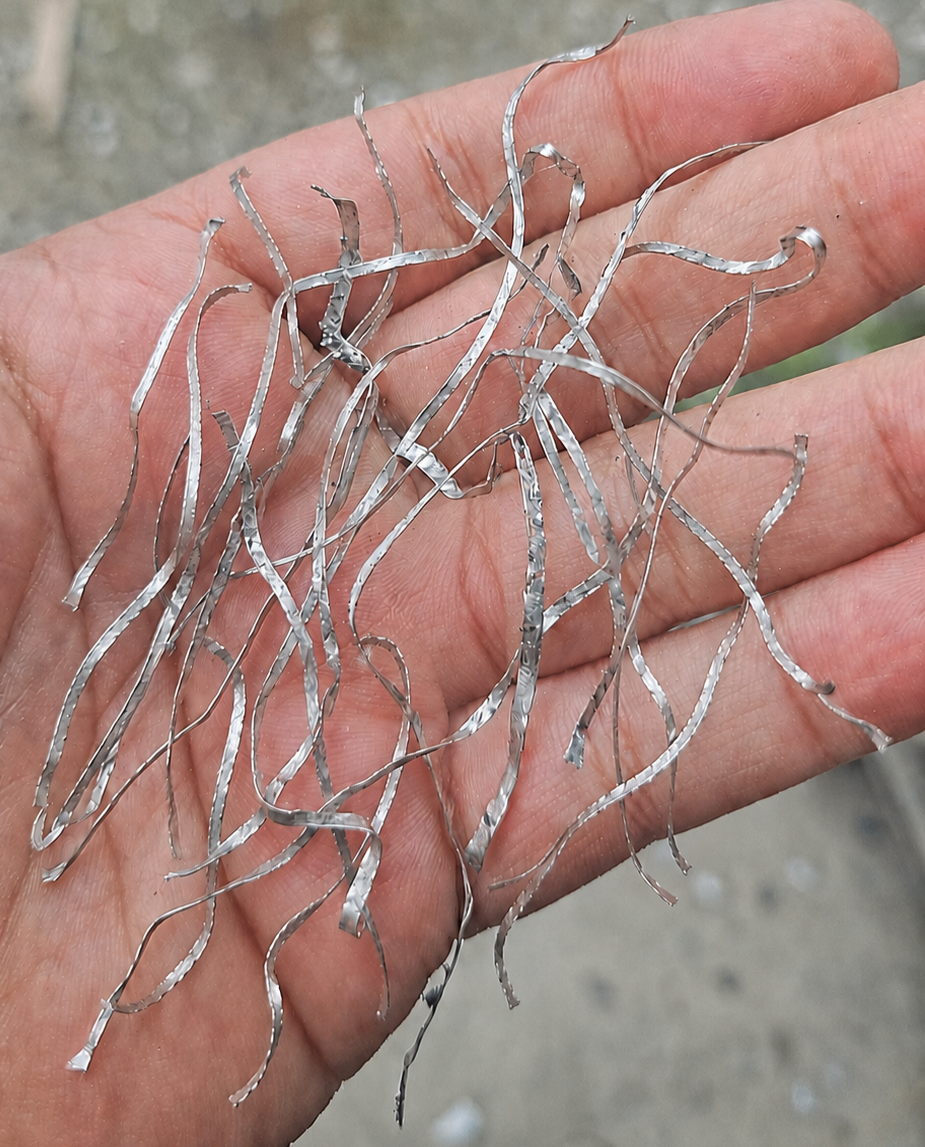
  5. 05Tinned copper ribbons

    Ribbons and busbars interconnect the cells. They are not simply laid on top or removable: they are embedded and fused into the encapsulant. No thicker than a couple of sheets of printer paper.

    Typical thickness 0.15 – 0.30 mm

  6. 06Second EVA layer

    Bonds the cells to the back of the panel.

    Typical thickness 0.40 – 0.60 mm

  7. 07Backsheet

    The rear polymer sheet. In glass-glass modules it is replaced by a second sheet of glass.

    Typical thickness 0.30 – 0.40 mm

  8. 08Junction box

    Connects the panel to the outside through the output cables.

Input flexibility

End-of-life panels don’t all arrive in the same condition.

The automatic configuration is designed to absorb real-world variability: different construction technologies, formats and levels of damage.

Mono- and polycrystalline Standard modules from decommissioned or repowered plants.
Monofacial and bifacial Including glass-glass modules in compatible configurations.
Intact or damaged Complete, broken or irregularly shaped material.
With or without frame Pre-treatment depends on the platform and the process objective.
Delamination lines: optimised for selected flows and standard monofacial modules.
Solar Automatic: designed for the widest input variability and continuous operation.

Inside a photovoltaic module

It’s not an object to be dismantled. It’s a multilayer laminate.

Glass, polymers, cells and metal connections are bonded together under pressure and heat. Understanding this structure is the first step towards properly evaluating any recycling technology.

Schematic cross-section 02
01 Front glass 2.0–4.0 mm
02 Upper EVA 0.40–0.60 mm
03 Silicon cells and ribbons 0.15–0.30 mm
04 Lower EVA 0.40–0.60 mm
05 Backsheet 0.30–0.40 mm
≈70% of the weight of a standard module is glass.
2× EVA layers encapsulating the cells and connections.
≈18% of the weight of a standard module is aluminium.
≈1.5 mm Indicative thickness of the residual sandwich once the glass has been removed: extremely thin materials, tightly bonded together.

Technologies

Two industrial approaches. One choice based on the real input.

Volumes, module type, the required degree of automation and outlets for the fractions determine the right configuration.

A Targeted volumes

Delamination

A route dedicated to more homogeneous, smaller flows, with separation of the glass followed by refining of the laminate.

  • Standard monofacial modules
  • Semi-automatic process
  • Compact, expandable configuration
B Industrial scale

Continuous size reduction and separation

An automated platform for high volumes and variable input, designed for continuous operation.

  • Intact, broken, mono- or bifacial modules
  • 24/7 automatic flow
  • Configurable capacity and separation stages
Two technologies, one process. Delamination and shredding can coexist in the same plant, complementing each other according to the input and the recovery targets.

Measurable outputs

Recovery isn’t enough. The fractions need a destination.

Grain size, composition and cleanliness are defined with downstream industrial processes in mind, not an abstract purity figure.

Recovered aluminium

ALUMINIUM

Recovered glass

GLASS

Recovered silicon

SILICON

Recovered EVA

EVA

Recovered copper

COPPER RIBBON

The materials recovered by Stokkermill Solar plants set a new standard in photovoltaic panel recycling, thanks to a mechanical process designed to deliver high-purity fractions of glass, aluminium, silicon, copper and EVA. Contrary to what is often said, it is a myth that shredding prevents high-quality materials from being obtained: purity does not depend on size reduction, but on the efficiency of the delamination, separation and refining systems developed by Stokkermill. The result is a homogeneous output with low contamination and high commercial value, ideal for recovering raw materials and reintroducing them into the key industrial processes of the circular economy.

Recovered materials

From solar panels to new resources

Aluminium - Glass - Silicon - EVA - Copper

Aluminium

The Stokkermill system eliminates the need to remove the aluminium frame, speeding up processing. The output aluminium is furnace-ready, clean and compliant with End of Waste standards. The result is maximum value recovery with minimal energy consumption.

Furnace-ready Proler Low impact

Glass

The glass is separated into different grain-size fractions and sent to dedicated recovery and valorisation processes. New outlets open up regularly, adding value based on quality, recovery rates, physical characteristics and the industrial outlets currently available locally.

Main volume Consistent quality

Silicon

The silicon fraction, containing silver and other metals together with glass residues, is delivered already concentrated and is processed by specialist refiners through chemical extraction, recovering the valuable materials.

Technological value Fine fractions

EVA

The polymer fractions, back-sheet and EVA, are recovered at the end of the process and, thanks to their good calorific value, are used as alternative fuels.

Encapsulant Controlled separation

Copper

Copper is a strategic, valuable and reusable metal. In solar panel recycling, Stokkermill draws on its own expertise and dedicated technologies to optimise recovery, producing good-quality material through an efficient process.

High yield Established supply chain

alluminum

The Stokkermilll recycling system does not require removal of the aluminum frame, drastically reducing panel processing time. The quality of the output materials is excellent.Aluminum, for example, will be oven-ready free of any pollutants and of the correct size, suitable for downstream metallurgical processing. Thus, maximumvalorization of the material and minimal energy impact during the final processing.

glass

The glass resulting from the treatment operations is of different grain size and quality. Larger size glass is clean, has a low iron content and is reused by the glass industry. A smaller size fraction still finds use in the glass or steel industry, where it can be used for the production of high quality silicon steels.

silicon

The thinnest fraction of glass will contain silicon, traces of silver and other metals. While it already finds wide application in a variety of industries, it is a fraction yet to be discovered in terms of value and recovery opportunities.

plastic

The polymeric back-sheet and EVA (Ethylene Vinyl Acetate) fractions, are recovered at the end of the process. They are fractions substantially free of glass and other pollutants and characterized by good calorific value such that they find applications as alternative fuels.

copper

During the solar panel recycling process, copper represents one of the strategic recoverable metals, mainly found in electrical conductors and, to a less significant extent, in the module's internal connections. Although it constitutes only about 1.2 percent of the total weight of a standard panel (about 12 kg out of a ton of treated panels), copper has high economic value and high potential for reuse in industry.

Stokkermill · Solar

Solar and photovoltaic (PV) panel recycling plant

Industrial line for recycling end-of-life photovoltaic modules. Efficient recovery of glass, silicon, aluminium, EVA and copper through an automated process with continuous operation.

  • ≤ 1 kWh/module Optimised energy use
  • ≈ 99% by weight Materials recovered
  • Fractions Glass · Si · Al · EVA · Cu
Stokkermill Innovation machinery
Stokkermill stands out for its ability to develop innovative technical solutions that make industrial recycling processes more efficient, safer, and more sustainable. Thanks to continuous research and extensive experience in solar panel and photovoltaic module recycling, the company can anticipate market needs and provide concrete solutions to emerging environmental challenges.Among its latest innovations are the XRS delamination systems, specifically designed for photovoltaic module recycling. These systems precisely separate the different layers of the panels, maximizing the recovery of glass, silicon, and EVA while minimizing waste.For pre-cut or pre-crushed modules, Stokkermill offers the PRG delamination system, which significantly reduces recovery times and improves material quality. Both technologies comply with the latest regulations and meet the highest sustainability standards.With the XRS and PRG solutions, Stokkermill reinforces its leading role in the solar panel and photovoltaic recycling sector, offering systems that deliver advanced technology, operational efficiency, reliability, and environmental sustainability. A clear company philosophy: innovation that transforms technological waste into new value opportunities.

Recycling Process

Load → Shear → HMS → Separation → Magnetic → MFS → XRS → Final output

Load

Feeding of panels with or without frames and dosing to the shearing machine. Removal of junction box if present.

Shear

First volumetric reduction, panel opening, and partial or total detachment of the aluminum frame.

HMS

Delamination of glass–EVA–cells, release of metals, production of main fractions: coarse/fine glass and aluminum proler.

Separation

Separation of heavy fractions (glass) and light fractions (EVA, powders, fine glass).

Magnetic

Removal of ferrous residues using an Overbelt magnetic system.

Final Output

EOW aluminum dross, coarse/fine glass, glass+EVA mixture, micro-metal residues, and silicon powders.

Automatic delamination system for treatment of framed solar panels

find out now

Focus

Goodbye to manual framing of solar panels
At the E-Waste Conference 2025 held in Frankfurt, Stokkermill previewed the latest innovations for solar panel recycling, attracting great interest from industry players, investors and insiders.Our new delaminator system attracted attention for its ability to revolutionize the processing of photovoltaic panels, completely eliminating the need to manually remove the aluminum frame and setting a new standard in efficiency, automation and quality of recovery.
Work with us

We design your customized
recycling solution

Stokkermill is always ready to listen to customer needs and help with tailor-made solutions. Our team of technicians and engineers will provide experience and expertise. An exceptional staff always available.

Contact us
Industrial robotic arm operating in a plant

Stokkermill Solar · FAQ

Frequently asked questions about solar panel recycling plants

Explore Stokkermill Solar →
Which solar panel recycling solutions does Stokkermill offer?

StokkermillSolar offers modular solutions for processing end-of-life photovoltaic panels: entry-level systems, delamination lines and fully automatic industrial plants. Each configuration is defined according to the available volumes, module condition, required automation level and target quality of the recovered materials.

How many panels can a StokkermillSolar plant process?

Entry-level solutions can process approximately 40–50 panels per hour, while automatic industrial lines can reach capacities of around 2,000 kg/h. Actual throughput depends on the module type, plant configuration and characteristics of the input material.

Which types of photovoltaic panels can be processed?

Depending on the selected line, monofacial, bifacial, intact, damaged, framed and unframed modules of different sizes can be processed. Delamination-based solutions are suitable for more consistent input streams, while automatic lines provide greater flexibility in handling variable material.

How is the most suitable recycling plant selected?

Selection starts with the available volumes, panel types, installation space, available labour and intended outlets for the recovered fractions. Stokkermill assesses these parameters to configure a line proportionate to the operator’s requirements and the project objectives.

our blog

Our Blog


▸ Read the latest articles
▸ Discover practical tips
▸ Stay up todate with the latest news

Read more

OUR PLANTS

Email info@stokkermill.com Map Open in Google Maps WhatsApp +39 328 8272193

CONTACT STOKKERMILL

Thank you! Your submission has been received!
Oops! Something went wrong while submitting the form.