


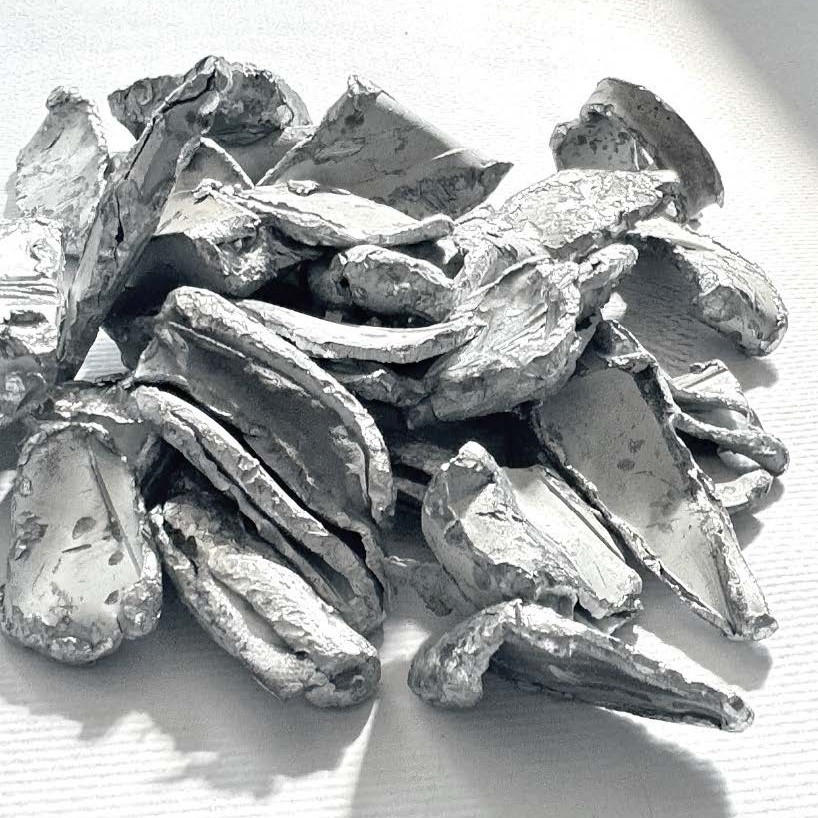
ALUMINUM








The US solar market is booming, but a massive wave of End-of-Life (EoL) panels is approaching. For waste management operators and scrap processors, the question isn't just if you can recycle them, but how profitably you can process mixed streams at high volume.
Many operators still look at "First Generation" technologies (based on thermal or mechanical delamination/peeling). While these methods might work in a controlled environment, they suffer from operational rigidity that kills ROI at an industrial scale. The strategic choice today is clear: stick with slow, labor-intensive legacy processes or upgrade to the Integral Volumetric Process developed by Stokkermill.
Let's analyze the three critical factors
—Throughput, Reliability, and Commodity Value
that distinguish modern industrial plants from obsolete ones.
-modified.jpeg)
Traditional delamination or frame-removal technologies often hide a massive operational cost: strict input requirements. Many of these systems are designed to handle intact panels or require the aluminum frame to be manually removed before processing. In the US recycling market, labor is the highest cost. You cannot afford to pay operators to inspect or prep panels.
The Gen-1 Limit: A system that jams or stops because a panel is warped, broken, or has a different frame style creates costly downtime.
The Stokkermill Solution: Our Integral Volumetric Approach eliminates the prep-work bottleneck. The line is a "Feed and Forget" system designed to digest everything: framed or frameless, mono or bifacial, intact or completely smashed storm-damaged panels.
While some industrial delamination systems require frequent calibration and suffer from high wear on delicate contact parts (precision blades, thermal elements), Stokkermill doubles down on mechanical toughness.
We use technologies like the Primary Shear and the HMS Primary Delaminator, engineered for the abusive environment of scrap metal processing. We are not adapting delicate machinery derived from glass manufacturing; we are using heavy-duty equipment born to recycle tons of material continuously, drastically minimizing maintenance downtime and OpEx.
Here lies the true economic paradigm shift. In the US market, recycling must be driven by profit, not just compliance. You need to turn liability into commodity-grade assets.
Whole frames recovered by profile delamination or manual stripping often face price downgrades at the scrap yard. Smelters view them as material that needs "prep" (cutting, removing screws/sealants). The Stokkermill process produces Furnace-Ready Aluminum Proler (clean, dense, 40-70mm chops). This material commands premium market pricing immediately because it bypasses intermediate processing steps.
Most existing processes focus only on glass and aluminum, losing the fine fractions. We go deeper. Aligned with the push for domestic supply chain independence (Critical Minerals), our refining systems recover a highly concentrated silicon fraction.
Precious Metals: It retains Silver (Ag) and other conductive metals, making it a valuable feedstock for refineries.
Metallurgical Demand: Recovered silicon is a sought-after additive for the steel and alloy industries.
Efficiency is also measured by what you don't send to the landfill. Our negative fraction (residue) is minimized and consists almost entirely of inert plastics. The recovered glass, purified from polymers, meets the specs for high-volume US markets:
Fiberglass & Insulation: A massive market in the US construction sector.
Sandblasting Media: High-quality abrasive material.
Ceramics & Aggregates: For concrete products and green building materials.
ALUMINUM

GLASS

SILICON

EVA

COPPER
Investing in a Stokkermill plant means bypassing the limitations of first-generation peeling technologies. We offer a scalable, heavy-duty solution capable of turning the chaotic reality of EoL panels into a consistent, high-margin revenue stream.
This website uses cookies
We use cookies to improve user experience, analyse site traffic and personalise content. By clicking "Accept all" you consent to the use of all cookies. You can manage your preferences via "Cookie settings". For more information, read our Cookie Policy.
Strictly necessary cookies
Required for the website to function. No consent needed.
Analytics cookies
Google Analytics — anonymous statistics about site usage.
By continuing to browse without making a selection, you consent only to strictly necessary cookies. Read our Privacy Policy and Cookie Policy. You can update your preferences at any time from the footer of this website.