


We develop the best technologies for recycling materials to find innovative solutions for the energy and ecological transition
STOKKERMILL | SELTEK SRL © 2023 | P. Iva. IT02360630301 | Privacy | Terms







The E-Waste recycling market in the USA is shifting. It is no longer just about shredding; it is about upgrading. With commodity prices fluctuating, the real profit in Electronic Scrap lies in extracting secondary raw materials that meet strict "refinery-ready" specifications (like ISRI/ReMA grades), bypassing lower-tier buyers.
Modern E-Waste is complex and contaminated. Traditional blade granulators struggle with "dirty" scrap, leading to high wear costs and lost precious metals. Stokkermill answers this challenge with an integrated approach: Mechanical refinement manufacturing for the rough stage and advanced Vision Technology for the finishing stage.
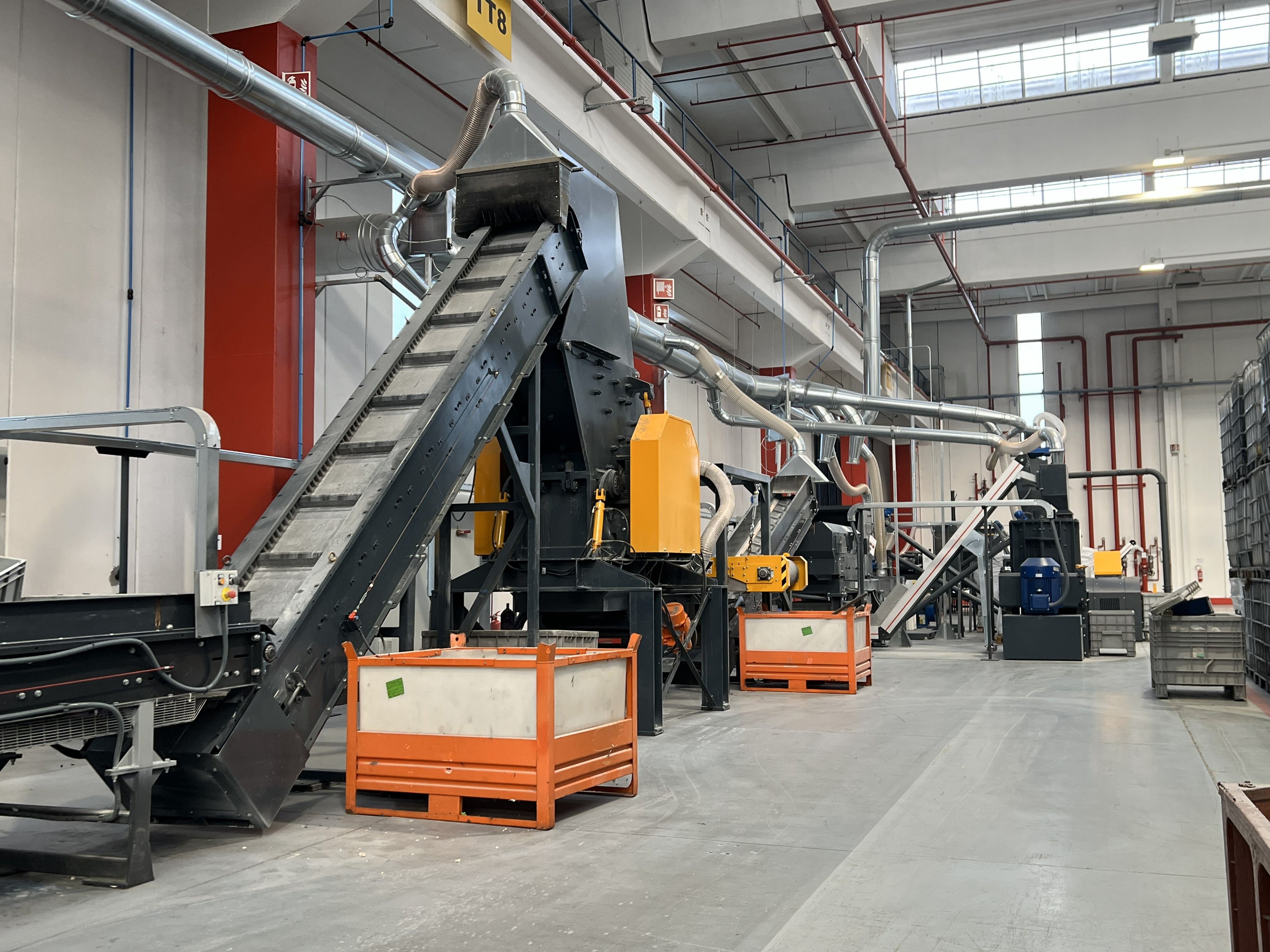
Efficiency starts before the fine separation. To ensure downstream equipment operates at 100% capacity (throughput), the material flow must be consistent. The integration of our Horizontal Trommel Screens is the standard solution: by classifying material into uniform sizes, we feed the lines constantly, preventing surges and bottlenecks typical of mixed scrap streams.
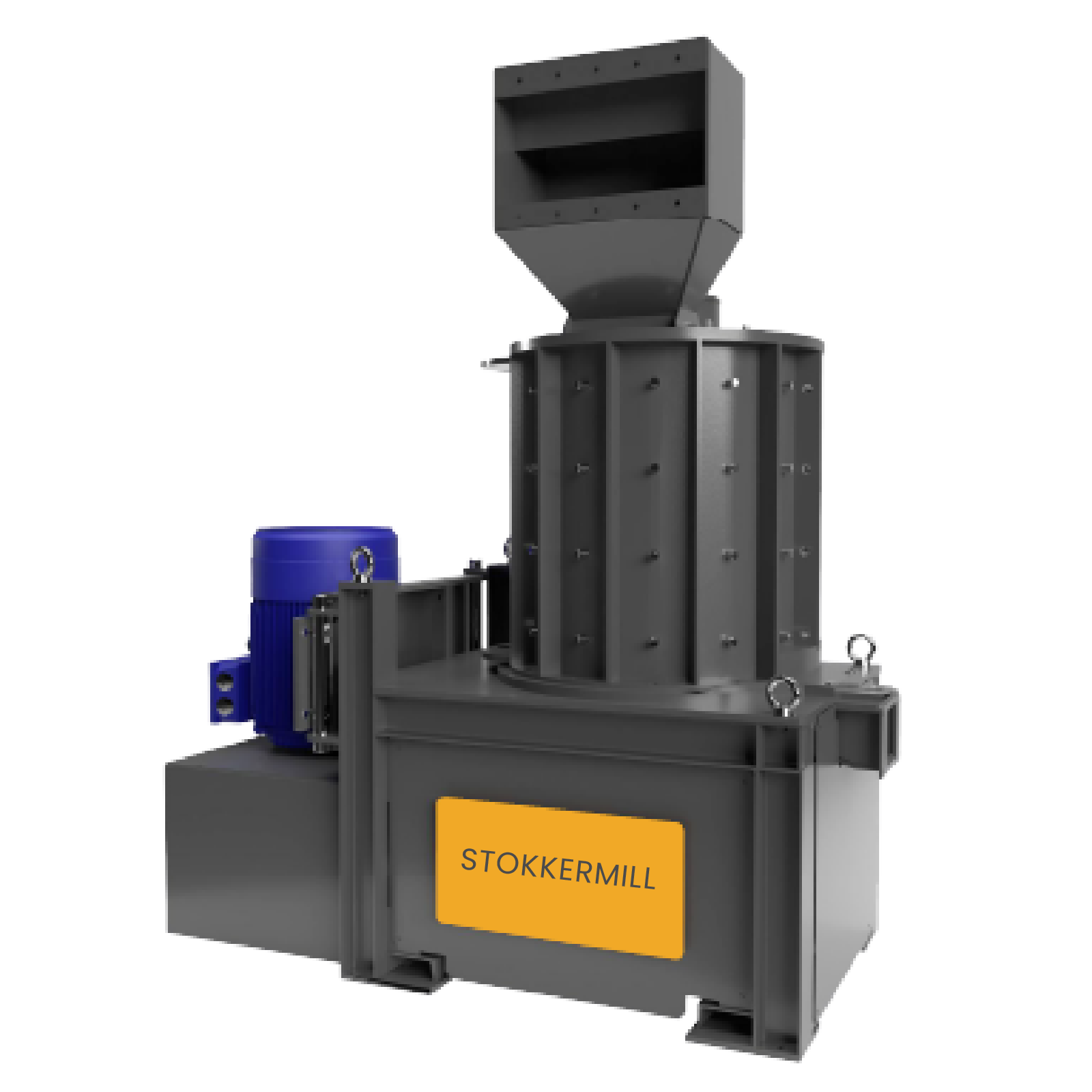
This is where the material transformation happens. In the US market, where volume is king, you need a machine that doesn't stop. While our Turbo Granulators are engineering masterpieces perfect for clean cable processing, massive and contaminated E-Waste streams require a different beast: the Vertical Refining Mill (VM Series).
This machine is designed specifically for heavy-duty workloads and handles "dirty" inputs that would destroy standard blades:
• Large Input Size: The VM accepts input material up to 2 inches (50mm) and above. This simplifies primary shredding requirements.
• Immunity to Iron: This is the decisive advantage for US scrap yards. Unlike blade granulators, the Vertical Mill does not fear ferrous contamination. If a steel bolt or iron chunk enters the chamber, it is processed and ejected without damaging the rotor, ensuring zero downtime.
• Metal Densification (Meatballing): The mechanical impact hammers the metal until it is compacted into dense, ball-shaped granules, completely liberating copper and aluminum from plastics and varnish.
Thanks to the Vertical Mill delivering a dense, heavy granule, the recovery efficiency skyrockets:
• Dry Densimetric Tables: Utilizing vibration and airflow, these tables sharply separate the heavy copper granules from light plastics. It’s a 100% dry process—crucial for environmental compliance.
• Electrostatic Separation (E-Sorting): In the US, sending copper fines to the landfill is a massive revenue leak. Our E-Sorting systems capture the sub-2mm copper and precious metal dust that air tables miss, turning waste into a high-value product stream.
4. Manufacturing Optical Sorters with Top-Tier Global Components
When density separation isn't enough (e.g., separating Copper from Brass, or Aluminum from Zinc and Stainless Steel), you need Stokkermill Vision. We design and build advanced Optical and X-Ray sorting systems in-house, essential for creating mono-material batches.
Direct Sourcing Strategy: "Manufacturer-to-Manufacturer" We don't compromise on the "eyes" of the machine. We integrate the world's best sensor technology directly from leading manufacturers in Japan and South Korea, the undisputed global leaders in precision imaging. By sourcing lenses and sensors directly—cutting out commercial middlemen—we install top-tier hardware into our robust, Stokkermill-built frames. The Result: Stokkermill delivers high-end optical sorting performance to the US market at an extremely competitive price point, combining global tech excellence with direct manufacturing value.
Shredding isn't enough anymore. To dominate the E-Waste market, you need a perfect sequence: Controlled Refining (Vertical Mill) + Intelligent Sorting (Vision Project). Stokkermill combines the best available optical components, heavy-duty construction, and a direct supply chain to offer you maximum yield at the best ROI in the industry.
Want to see how the Vertical Mill handles your ferrous-contaminated scrap? Contact us to schedule a material test.
22-12-2025
This website uses cookies
We use cookies to improve user experience, analyse site traffic and personalise content. By clicking "Accept all" you consent to the use of all cookies. You can manage your preferences via "Cookie settings". For more information, read our Cookie Policy.
Strictly necessary cookies
Required for the website to function. No consent needed.
Analytics cookies
Google Analytics — anonymous statistics about site usage.
By continuing to browse without making a selection, you consent only to strictly necessary cookies. Read our Privacy Policy and Cookie Policy. You can update your preferences at any time from the footer of this website.