


We develop the best technologies for recycling materials to find innovative solutions for the energy and ecological transition
STOKKERMILL | SELTEK SRL © 2023 | P. Iva. IT02360630301 | Privacy | Terms








Advanced waste management and material recovery require increasingly sophisticated technologies to ensure clean and high-value output fractions. To address the modern challenges of the circular economy, StokkermillSorting offers dedicated optical separation solutions, available on its official sorting page. Thanks to these innovative machines, the separation process for industrial recycling achieves unprecedented levels of efficiency and purity, integrating seamlessly into existing treatment lines or new turnkey plants.
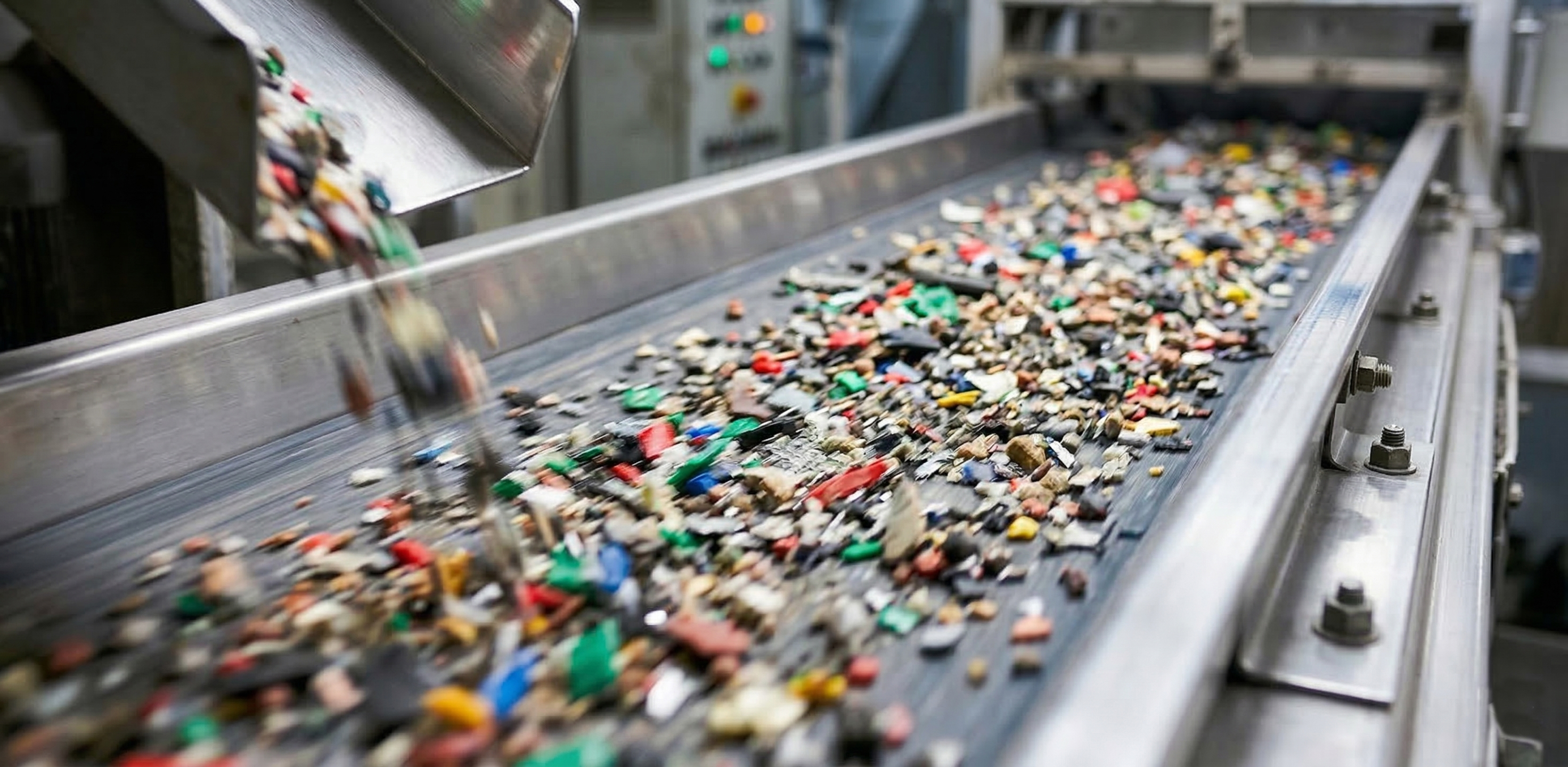
Optical sorting has become an essential process for the profitability of recovery plants. Stokkermill’s industrial optical sorters are designed to scan and separate mixed materials based on colour, size, density, and chemical composition with high precision. This selection method enables the production of high-quality secondary raw materials, drastically reducing waste percentages. From the recovery of ferrous and non-ferrous metals to the separation of complex plastics, machine efficiency ensures a tangible increase in productivity.
The true technological core of these solutions lies in the integration of high-resolution optical sensors supported by Artificial Intelligence (AI). Stokkermill systems utilise deep learning algorithms that allow sorters to “learn” how to recognise materials in real time and adapt to heterogeneous and constantly changing waste streams. The use of AI, combined with multispectral and deep inspection technologies, ensures exceptional detection speed, minimising false positives and delivering superior output material purity.
The exceptional flexibility of sensor-based technology makes optical sorters essential tools across a wide range of industries. Stokkermill machines are capable of performing:
• Plastic and Glass Recycling: Accurate polymer separation and colour sorting for high-quality recycling.
• Metal Recovery and WEEE (Waste Electrical and Electronic Equipment): Separation of electronic components and small-sized metal fragments (from 2 to 8 mm).
• Paper, Cardboard and Wood: High-precision cleaning for the paper industry and recovery of waste wood.
• RDF (Refuse-Derived Fuel) and Textiles: Efficient fibre separation and production of sustainable fuels.
Optimising a recycling plant largely depends on the quality of the sorting technology implemented. Relying on Stokkermill’s engineering expertise means investing in cutting-edge machinery designed to maximise profitability and reduce environmental impact. To explore full technical specifications, assess integration into your plant, or request a tailored quotation for your separation needs, we invite you to consult the dedicated StokkermillSorting page.
This website uses cookies
We use cookies to improve user experience, analyse site traffic and personalise content. By clicking "Accept all" you consent to the use of all cookies. You can manage your preferences via "Cookie settings". For more information, read our Cookie Policy.
Strictly necessary cookies
Required for the website to function. No consent needed.
Analytics cookies
Google Analytics — anonymous statistics about site usage.
By continuing to browse without making a selection, you consent only to strictly necessary cookies. Read our Privacy Policy and Cookie Policy. You can update your preferences at any time from the footer of this website.