Solutions for battery recycling
and treatment

STOKKERMILL BATTERY RECYCLING

Lithium battery recycling plants

Stokkermill designs and develops plants and machinery for recycling lithium-ion (Li-ion) batteries, with industrial technologies for shredding, mechanical processing and separation of recoverable materials.

Stokkermill solutions are designed to process end-of-life batteries from electric vehicles, energy storage systems and electronic devices. Through size reduction, classification and separation processes, they enable the recovery of copper, aluminium and black mass, destined for the subsequent stages of upgrading and refining.

The Stokkermill approach combines process safety, dry processing technologies and modular configurations, developed according to the characteristics of the batteries and the production targets. Particular attention is paid to controlling the processing atmosphere, managing the fractions generated and the quality of the output materials.

Li-ion batteries Black mass Copper and aluminium Dry processing

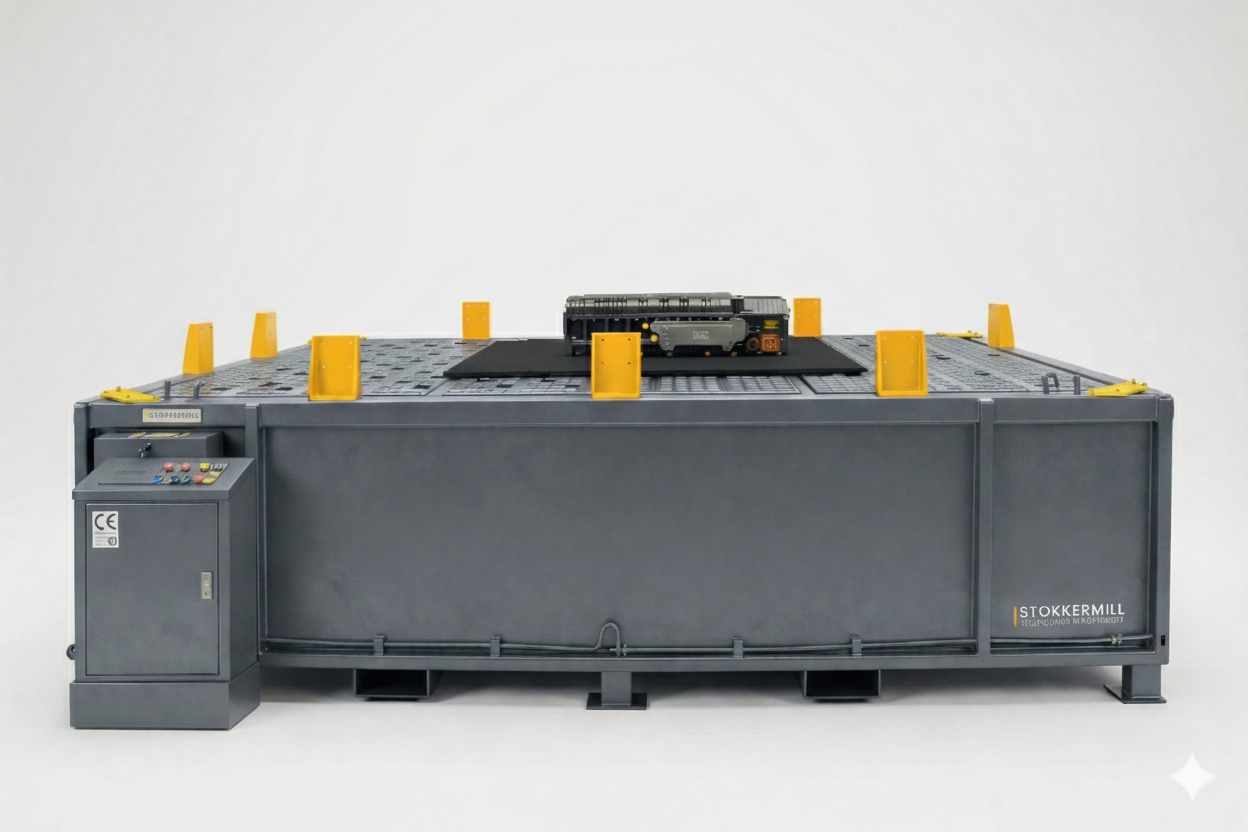
Battery platform

Safe discharge and dismantling of HV batteries.

A plant for the safe processing and recycling of high-voltage lithium batteries, minimising the risk of fire and delivering material ready for the subsequent recycling stages.

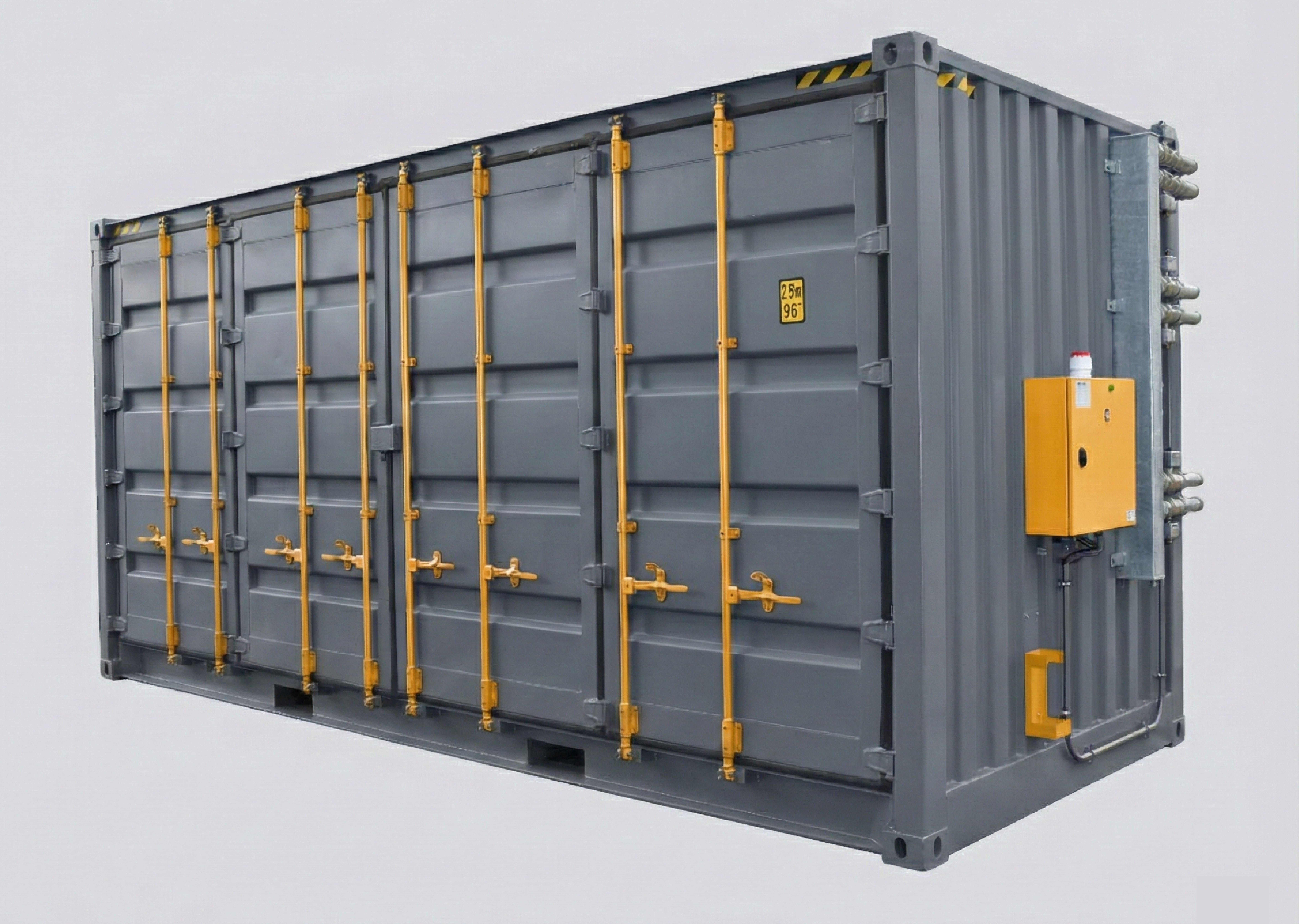
Modular technologies

Modular technologies for battery handling and recycling.

Each component is available separately and can be integrated into existing lines or purchased as an upgrade for third-party plants.

Modular. Integrable. Configurable. Independent supply.

Technologies dedicated to making safe, dismantling and storing batteries destined for recycling. Each component can be integrated into existing lines or supplied separately, depending on the process and the batteries to be processed.

The process

From battery pack
to black mass.

Step 1

Making safe

Discharge and deactivation to remove residual energy before processing.

Step 2

Dismantling

Removal of casings, wiring and electronics from modules and cells.

Step 3

Shredding

Size reduction of the cells under controlled conditions.

Step 4

Separation

Magnetic, non-ferrous metal and density separation of the different fractions.

Step 5

Recovery

Black mass and metal fractions ready for sale or refining.

Focus

Black mass.
Where the value lies.

The fine powder obtained from the active materials of the electrodes. It contains lithium, cobalt, nickel, manganese and graphite, and is the most valuable fraction of the entire process.

  • Higher purity, higher valueAccurate separation increases yield in the refining stages.
  • Ready for the marketA homogeneous material destined for hydrometallurgical plants.
Safety

Designed for
a challenging material.

Even when spent, lithium batteries can retain residual energy and flammable electrolytes. Safety is built into the design, not added as an afterthought.

  • Thermal risk controlSystems to prevent and manage overheating and ignition.
  • Gas and dust managementExtraction and filtration throughout the process.
  • AutomationLess manual handling, greater protection for operators.

Frequently asked questions.

Which types of batteries can be processed?

It depends on the plant configuration. We analyse the chemistry, format and volumes of your material to propose the right solution.

What is black mass?

It is the fine fraction obtained from the active materials of the electrodes, rich in lithium, cobalt, nickel, manganese and graphite. It is sold to refining plants.

Do batteries need to be discharged before processing?

Yes, making the batteries safe is the first step of the process. We help you define the most suitable procedure for your material.

Can I test my material before buying?

Yes. At StokkermillLAB we run trials on your sample to verify the yields and quality of the recovered fractions.

Do you provide support after installation?

Yes: installation, staff training, spare parts and ongoing technical support.

Email info@stokkermill.com Map Open in Google Maps WhatsApp +39 328 8272193

CONTACT STOKKERMILL

Thank you! Your submission has been received!
Oops! Something went wrong while submitting the form.