







Some claim that dual-use plants (systems able to process several material streams rather than a single specific product) do not work properly for solar panel recycling, because they were not built specifically for it.
It is an objection that starts from the wrong premise. But it is worth starting right there, because taking it apart says more about those who raise it than about panel recycling itself.
1. Recycling is a different discipline
Companies like Stokkermill, and we are not the only ones, have been solving material recycling problems for decades. Not one material: materials, plural.
Today’s push to recycle everything has led our engineering departments to build up know-how that comes precisely from this variety: you do not design a machine for a product, you design separation processes that adapt to the incoming stream. That is our job. No more, no less.
This is very different from those who build machines to manufacture panels and, riding the wave of the moment, claim: “I know how to make them, so I know how to recycle them too.” Well done, keep building them, but recycling is a different discipline.
It rests on conceptual foundations that are the opposite of manufacturing: not building something new and intact, but recovering value from an old, heterogeneous and often imperfect stream. They are two different trades, and expertise in one does not automatically carry over to the other.
There is a fair amount of presumption in all this. It would never occur to us to build cars just because we recycle them. Or electrical cables. Let alone machines to manufacture solar panels. Everyone is, of course, free to do what they see fit and to describe it however they like, but that is not the point.
2. Dual-use: a recycling classic, not a fallback
The point is a different one, and it is technical, not polemical.
A dual-use machine is not a fallback: it is a recycling classic. It comes into being exactly where input materials are heterogeneous and discontinuous over time, and that is a structural condition of the sector, not an exception to be managed.
Anyone who works in recycling every day in the field understands this, because it is experience built by processing real streams for years, not by designing the line that produces an object which someone else, one day, may have to dispose of.
We act accordingly: we have learnt to be flexible because it is flexibility, not extreme specialisation, that makes the numbers add up and truly closes the loop.
In a sector where the incoming stream cannot be chosen or planned months in advance, over-specialisation is not a technical virtue: it is an operational risk. And in the end, the one who pays for it is the customer, left with a rigid plant just when the market changes.
3. Solar panels and WEEE on the same line
This is not theory. The same line that processes end-of-life solar panels can also process WEEE (waste electrical and electronic equipment). The main stages remain the same:
- size reduction;
- magnetic separation;
- aluminium/non-ferrous separation.
Only a few machines are added for the final refining of the metals. These are the same separation technologies we have been applying to different streams for years.
This dual-use capability serves to diversify input streams and keep the plant running throughout the year, offsetting the fluctuations of a market, end-of-life photovoltaics, that is still ramping up.
From a business plan perspective, it is a factor of investment resilience, not a technical detail.
4. Aluminium: capturing value when the market shifts
The same applies to aluminium: aluminium scrap and profiles recovered on the same line, at a time when this metal commands very high market prices. Prices that are likely to rise further as aluminium is increasingly used as a partial substitute for copper, which is ever more expensive and ever less available.
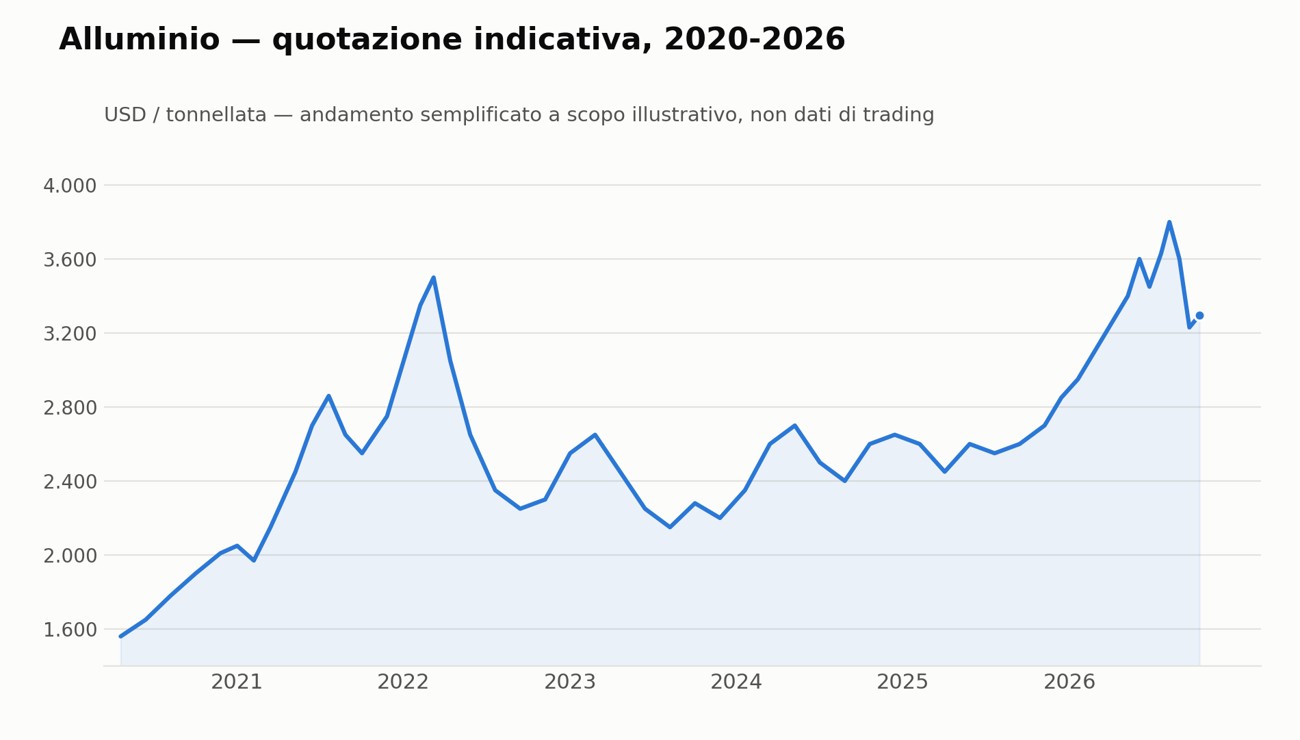
Here too, the plant’s versatility is not a technical compromise: it is what makes it possible to capture value at the exact moment the market shifts it from one fraction to another, without having to redesign the line every time the economics of one material change relative to another.
5. You do not choose the stream, you serve it
At Stokkermill we do not decide on the versatility of our platforms to follow a trend. We decide on it because it is what decades of industrial recycling have taught us: you do not choose the stream, you serve it.
And anyone who has been serving it long enough knows that flexibility is not a compromise compared with specialisation: it is the correct technical answer to a problem that, by its very nature, changes shape over time.
6. Frequently asked questions
Does a dual-use plant perform worse than one designed only for solar panels?
No. The fundamental technical stages (size reduction, magnetic, eddy current and optical separation) are the same regardless of the material processed. The difference lies in tuning the process to the incoming stream, not in having a “dedicated” machine.
Why does dual-use make sense from a business plan perspective?
Because the end-of-life panel market is still ramping up: volumes are not steady in the short term. Being able to process WEEE or other metal fractions (such as aluminium) on the same line keeps the plant in use all year round and reduces investment risk.
Isn’t over-specialisation still an advantage in terms of output quality?
Not in recycling. The end-of-life stream is heterogeneous and discontinuous by nature: a plant designed for a single product under ideal conditions is caught out as soon as the real stream departs from those conditions. Which, in recycling, always happens.
02/10/2026